


The Risks of Not Managing Myopia Early
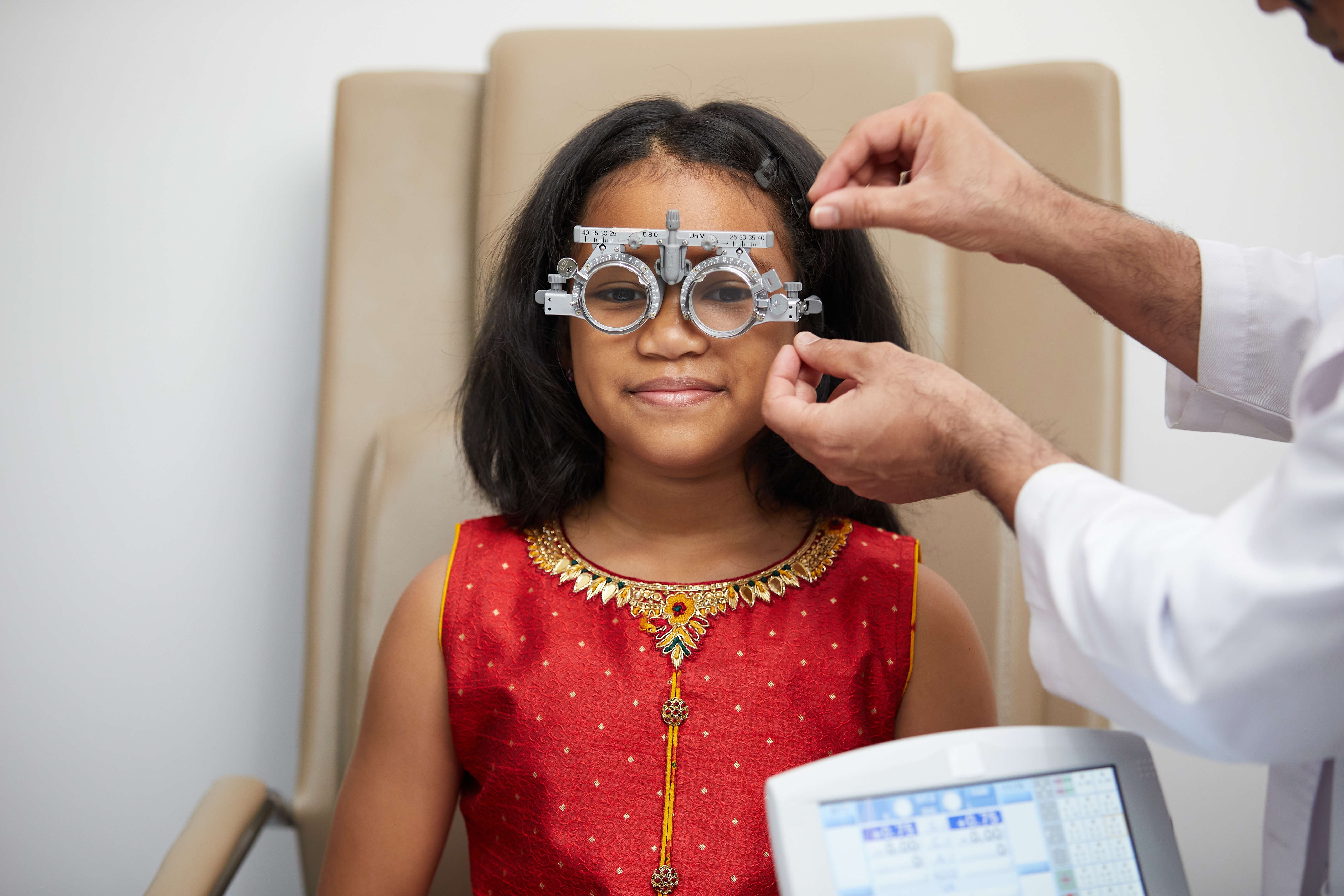
Myopia often starts in childhood, but the effects can go far beyond blurry distance vision. When it is not addressed early, myopia may continue to progress and increase the risk of more serious eye health concerns over time. Addressing myopia early gives families a better chance to support both clear sight and healthy eye development.
The Importance of Early Detection
Regular pediatric eye exams are important because myopia can worsen gradually without a child realizing it. Many children assume blurry distance vision is normal. Early exams help us detect myopia sooner, track changes over time, and respond before progression becomes more significant. Monitoring is essential because the younger myopia starts, the more time it has to worsen during the growing years.
How Myopia Can Affect Learning and Daily Life
When myopia is not managed early, it can interfere with more than classroom vision. Children may struggle to see the board, follow lessons, recognize faces from a distance, or feel confident during sports and other activities. These challenges can affect focus, comfort, and performance throughout the day. Clear vision supports learning, coordination, and overall quality of life.
The Long-Term Risks of High Myopia
High myopia is associated with a greater risk of serious eye conditions later in life. That includes retinal problems, glaucoma, earlier cataracts, and myopic maculopathy. While glasses can improve vision, they do not slow the eye’s growth on their own.
Signs Your Child May Need a Myopia Evaluation
Children do not always say when their vision has changed, so it is important to watch for signs that they may be struggling to see clearly at a distance. You might notice squinting when looking at the board or TV, sitting very close to screens, holding books too close, complaining of headaches, or rubbing their eyes often. Some children also seem less interested in schoolwork, avoid sports that require distance vision, or have trouble recognizing people or objects from across a room. If you notice these changes, a myopia evaluation can help us determine whether nearsightedness is affecting your child’s vision and whether early treatment may help slow progression.
How Myopia Management Helps
Myopia management is designed to slow progression while a child’s eyes are still developing. At Lake Lanier Eye Care, treatment may include:
- MiSight 1 day contact lenses for clear vision and myopia control in eligible children
- Orthokeratology, which uses specially designed lenses worn overnight
- Atropine eye drops to help reduce the progression of myopia
- Essilor Stellest lenses are specialized spectacle lenses designed to slow myopia progression in children
- Ongoing follow-up visits to monitor prescription changes and eye growth
The right option depends on your child’s age, prescription, lifestyle, and eye health needs.
Take the Next Step for Your Child’s Eye Health
The earlier we begin monitoring and managing myopia, the better our opportunity to slow progression. Waiting until a prescription becomes much stronger can mean missing valuable time. With consistent care, we can help support clearer vision now while reducing the risk of more serious problems in the future.
Contact Lake Lanier Eye Care to schedule a pediatric eye exam and learn more about myopia management options for your child. Visit our office in Sugar Hill, Georgia, or call (678) 926-3525 to book an appointment today.


Our Services
Contact Info
Hours of Operation
- Monday 9:00 am – 5:00 pm
- Tuesday 9:00 am – 5:00 pm
- Wednesday 9:00 am – 5:00 pm
- Thursday 9:00 am – 5:00 pm
- Friday 9:00 am – 5:00 pm
- Saturday Closed
- Sunday Closed
© 2026 Lake Lanier Eye Care. All rights Reserved. Accessibility Statement - Privacy Policy - Terms and Conditions - Sitemap
Powered by:
